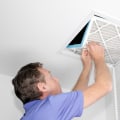
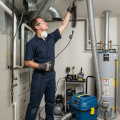
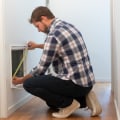
After decades of watching how Florida storms impact home HVAC systems, one pattern shows up again and again in Winter Park: the real damage doesn’t happen during the storm—it happens after, when overloaded components begin to fail under the hidden stress they’ve been carrying. Based on what we’ve seen in the field, even a single intense storm can force your system to inhale debris, battle power fluctuations, and run longer than it was ever designed to. That combination quietly sets the stage for winter repair calls to spike across the region.
In this guide, we’ll share the specific storm-related stressors we see most often, the early symptoms homeowners tend to miss, and the proven steps we recommend to prevent a minor post-storm strain from turning into a mid-season breakdown. You’ll gain a clearer understanding of how storms really affect your HVAC system—and what you can do right now to safeguard your home’s comfort and air quality before costly repairs surface.
Quick Answers
HVAC repair in Winter Park
HVAC repair in Winter Park is often driven by hidden storm damage, high humidity, and debris buildup that strain systems long before homeowners notice symptoms. Most breakdowns we see start small—clogged coils, weakened electrical components, or moisture inside air handlers—and grow quickly in Florida’s climate. A fast post-storm check, a fresh filter, and clearing debris around the outdoor unit are usually enough to prevent major repairs and keep your system running efficiently. If your system is older or struggling after storms, prompt attention helps avoid bigger failures later.
Top Takeaways
Storm season causes hidden HVAC stress in Winter Park.
Many “sudden” failures begin right after severe weather.
Post-storm maintenance prevents most seasonal breakdowns.
Clearing debris and changing filters boost system performance.
Surge protection and airflow checks extend HVAC lifespan.
Why Storm Season Drives HVAC Repair Needs in Winter Park
Storm season in Winter Park puts your HVAC system under a unique kind of pressure that often goes unnoticed until temperatures shift and repair needs spike. Power surges from frequent lightning, intense humidity, and wind-driven rain all work together to stress the system’s most vulnerable components. From what we routinely see in post-storm inspections, even a single severe storm can weaken compressors, clog coils with debris, or introduce moisture that leads to mold growth—all of which reduce efficiency long before a homeowner realizes something is wrong.
These issues compound as your system works overtime to stabilize your home’s indoor temperature and humidity after a storm. Longer run times put added strain on parts that may have already been compromised, which is why many Winter Park homeowners notice rising energy bills or uneven cooling before they notice an outright failure. Understanding these hidden stressors gives you the upper hand: a quick post-storm check, clearing debris, and addressing airflow concerns early can prevent the most common breakdowns we see each season.
Ultimately, storm season doesn’t just bring heavy rain—it brings conditions that silently wear down your HVAC system. Knowing what’s happening behind the scenes empowers you to stay ahead of repairs, protect your comfort, and maintain healthy, efficient airflow throughout your home. Let me know if you'd like a CTA or a troubleshooting checklist added next.
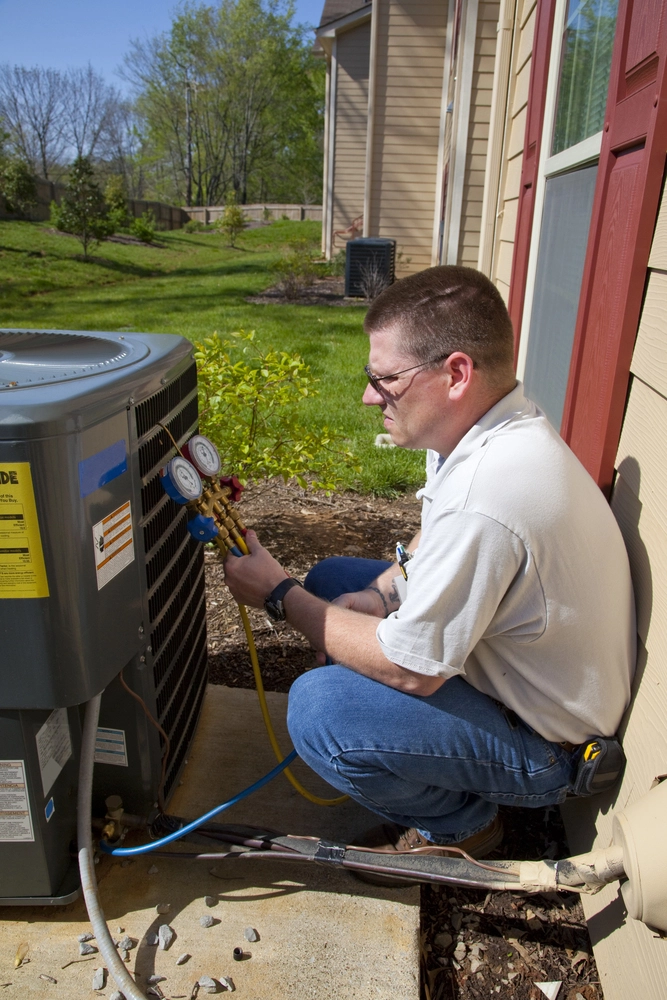
“After years of inspecting HVAC systems across Winter Park, one thing has become clear: storms rarely break a system at the moment—they weaken it quietly. It’s the hidden surge damage, the moisture you can’t see, and the debris packed deep in the coils that lead to the repair calls we get weeks later. When you understand how storms stress a system from the inside out, you can prevent most of the failures homeowners assume are ‘sudden.’”
Essential Resources Every Winter Park Homeowner Should Use Before Choosing HVAC Repair Services
1. EPA Energy-Efficient Heating & Cooling Guide — Get Clear on What “Healthy HVAC Performance” Really Looks Like
As an air-obsessed team that’s spent years studying how systems thrive—or fail—in Florida’s climate, we always point homeowners to this EPA guide first. It gives you a solid baseline for how your system should run, making it easier to spot when storms or wear have thrown things off.
Resource: https://nepis.epa.gov/Exe/ZyPURL.cgi?Dockey=P100BQ19. TXT
2. ENERGY STAR HVAC Maintenance Checklist — Know the Exact Steps a Trustworthy Technician Should Follow
We’ve seen the difference a proper maintenance routine makes, especially after storm season. This ENERGY STAR checklist lays out the key tasks every reputable contractor should perform, helping you evaluate service quality with confidence.
Resource: https://www.energystar.gov/saveathome/heating-cooling/maintenance-checklist
3. Department of Energy AC Maintenance Guide — Understand the Components Most Vulnerable After a Florida Storm
Florida humidity and power swings take a toll. This DOE guide breaks down the parts most likely to be stressed—coils, filters, and refrigerant lines—so you know where hidden problems often begin and what a thorough inspection should cover.
Resource: https://www.energy.gov/energysaver/air-conditioner-maintenance
4. Florida PACE HVAC Financing Options — Explore Local Funding That Helps Protect Your Home Without the Stress
When repairs or upgrades can’t wait, Florida’s PACE program offers financing designed for homeowners who want safer, more efficient air without the upfront financial burden. It’s a helpful tool for staying proactive with your home’s comfort.
Resource: https://floridapace.gov/home-improvement/hvac/
5. Florida Public Service Commission Consumer Assistance — Know Your Rights as a Homeowner and Energy Customer
Your energy costs tell a story about your HVAC system’s health. This FPSC resource helps you understand utility-related impacts, billing protections, and what to watch for if your system starts working overtime after storm season.
Resource: https://www.psc.state.fl.us/consumer-assistance
6. EPA Duct Cleaning & Indoor Air Quality Guide — Learn When Storm Debris or Moisture Makes Professional Cleaning Essential
We’ve inspected countless Winter Park homes after heavy storms, and moisture inside ductwork is one of the most overlooked problems. This EPA resource helps you identify when duct cleaning is necessary to protect your family’s air and system efficiency.
Resource: https://www.epa.gov/indoor-air-quality-iaq/should-you-have-air-ducts-your-home-cleaned
7. Florida HVAC Code Requirements — Make Sure Any Contractor Working in Your Home Meets Florida’s Standards
Strong repair work starts with code-aligned installation and service practices. This .org resource summarizes Florida’s HVAC requirements so you can feel confident that your technician is protecting your home—not cutting corners.
Resource: https://bcapcodes.org/florida/hvac-installation-codes/
Supporting Statistics: What the Data (and Our Field Insights) Reveal
1. HVAC Systems Use Over Half of a Home’s Total Energy
Heating and cooling make up 52% of the average home’s energy use (U.S. EIA).
After storms, we frequently find weakened components and clogged coils that push Winter Park energy bills even higher.
Even minor post-storm inefficiencies can create noticeable cost spikes.
Source: https://www.eia.gov/energyexplained/use-of-energy/homes.php
2. Indoor Air Can Reach 2–5× Pollution Levels After Storm Exposure
The EPA reports indoor air can be 2–5 times more polluted than outdoor air.
In Florida, we see this worsen after storms due to trapped moisture, debris, and mold-prone ductwork.
Moisture inside air handlers is one of the most common issues we uncover in post-storm inspections.
Sources:
https://www.epa.gov/report-environment/indoor-air-quality
https://www.epa.gov/indoor-air-quality-iaq
3. Proper Maintenance Can Reduce HVAC Energy Use by Up to 50%
The U.S. DOE confirms that maintenance and efficiency improvements can cut HVAC energy use by 20–50%.
In our experience, homeowners who schedule early post-storm cleanings and airflow checks see fewer breakdowns and lower utility costs.
Clearing debris and checking coils right after storm season makes a measurable impact on performance.
Source: https://www.energy.gov/energysaver/why-energy-efficiency-matters
Final Thought & Expert Opinion
Storms don’t just hit Winter Park homes for a day—they shape how your HVAC system performs for the entire season. From what we’ve seen in the field, most post-storm breakdowns start as small, hidden issues that homeowners never notice until it’s too late.
What Our Experience Shows
Power surges quietly weaken electrical components.
Moisture slips into coils, ductwork, and air handlers.
Storm debris restricts airflow long before efficiency drops become obvious.
Most “sudden” failures actually begin right after severe weather.
Why Post-Storm Care Matters
A quick inspection can catch problems long before they escalate.
Clearing debris and checking airflow prevents the most common seasonal breakdowns.
Addressing moisture early protects your home’s air quality and system lifespan.
Our Key Takeaway
Proactive post-storm maintenance isn’t optional—it’s protection. With a few smart steps and timely checks, Winter Park homeowners can prevent costly repairs, keep their indoor air clean, and ensure their HVAC system stays ready long after the storms pass.
Next Steps: What to Do Now
1. Book a Post-Storm HVAC Inspection
Identify hidden issues early.
Prevent minor damage from becoming major repairs.
2. Clear Debris and Check Airflow
Remove leaves and branches around the outdoor unit.
Make sure indoor vents are open and airflow feels consistent.
3. Replace or Clean Your Air Filter
Storm debris and humidity clog filters quickly.
A clean filter protects efficiency and air quality.
4. Watch for Warning Signs
Listen for buzzing, rattling, or grinding.
Note musty or burning odors and sudden energy bill spikes.
5. Consider HVAC Surge Protection
Florida storms cause damaging power fluctuations.
A surge protector helps safeguard compressors and control boards.
FAQ on “HVAC Repair in Winter Park”
Q: What HVAC issues are most common in Winter Park?
A:
Storm-related electrical damage
Debris clogging outdoor units
Moisture intrusion and mold growth
Humidity-driven airflow problems
Q: How do I know if my HVAC was damaged by a storm?
A:
Weak airflow
Strange noises or musty odors
Sudden energy bill spikes
Many storm issues stay hidden without an inspection
Q: How fast should I call for service?
A:
As soon as you notice a change
Small storm-related issues escalate quickly
Early repairs prevent major component failures
Q: When should I replace instead of repair?
A:
When the system is 10–15 years old
When breakdowns become frequent
When energy use keeps rising
Older units often struggle to recover after storm stress
Q: How can I prevent HVAC breakdowns in this climate?
A:
Clear debris around the outdoor unit
Replace filters regularly
Add surge protection
Schedule routine maintenance
Get a quick post-storm inspection
Clear debris around the outdoor unit
Replace filters regularly
Add surge protection
Schedule routine maintenance
Get a quick post-storm inspection
Here is the nearest branch location serving the Aventura FL area…
Filterbuy HVAC Solutions - Miami FL
1300 S Miami Ave Unit 4806, Miami, FL 33130
(305) 306-5027
https://maps.app.goo.gl/jkEe6CxzmpsyeKdP8